 Skip to content
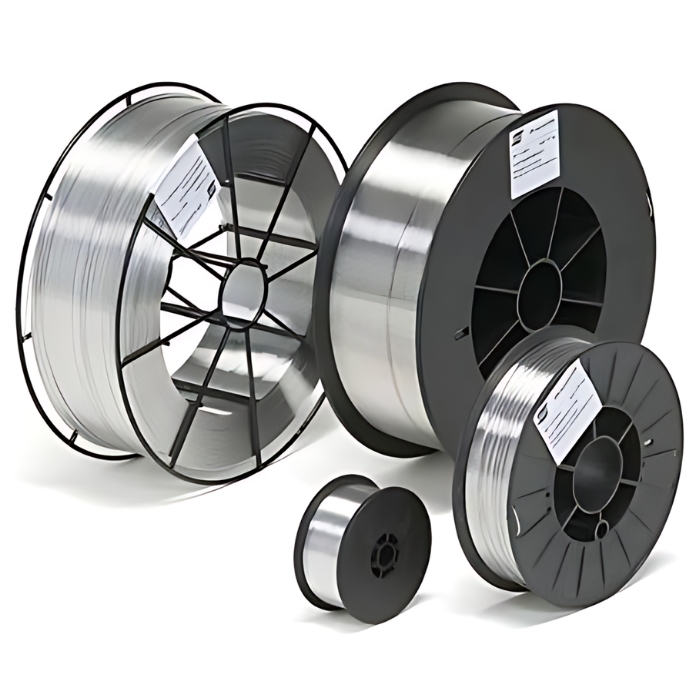
Introduction: In the world of welding, hardfacing stands as a critical technique for enhancing the durability and longevity of metal components subjected to wear and abrasion. At the heart of this process lies flux-cored wire, a versatile and powerful tool that revolutionizes hardfacing applications. In this comprehensive guide, we delve deep into the realm of flux-cored wire for hardfacing, exploring its composition, applications, techniques, advantages, and much more.
- Understanding Hardfacing and Its Importance:
- Hardfacing: The process of depositing a wear-resistant layer onto the surface of metal components to protect against abrasion, erosion, and impact.
- Importance of hardfacing in extending the service life of equipment and machinery in industries such as mining, construction, agriculture, and manufacturing.
- Exploring Flux-Cored Wire:
- Definition and composition of flux-cored wire, a type of welding electrode filled with flux materials.
- Distinction between self-shielded and gas-shielded flux-cored wires, each offering unique advantages in hardfacing applications.
- Applications of Flux-Cored Wire for Hardfacing:
- Versatility of flux-cored wire in hardfacing various types of metal components, including buckets, blades, shafts, rolls, and wear plates.
- Common industries and sectors benefiting from flux-cored wire hardfacing, such as mining, construction, agriculture, forestry, and oil and gas.
- Techniques for Flux-Cored Wire Hardfacing:
- Step-by-step guide to the hardfacing process using flux-cored wire, including surface preparation, welding parameters, and deposition techniques.
- Tips and best practices for achieving optimal hardfacing results, ensuring superior bond strength and wear resistance.
- Advantages of Flux-Cored Wire Hardfacing:
- Enhanced deposition rates and productivity compared to traditional hardfacing methods, such as stick welding or oxy-acetylene welding.
- Superior penetration and fusion characteristics, resulting in dense, homogeneous hardfacing overlays with minimal dilution and distortion.
- Considerations and Challenges:
- Factors to consider when selecting flux-cored wire for hardfacing applications, including base metal composition, abrasion resistance requirements, and environmental conditions.
- Challenges and potential limitations of flux-cored wire hardfacing, such as porosity, slag inclusion, and post-weld cleanup.
- Real-Life Case Studies:
- Case studies showcasing successful applications of flux-cored wire hardfacing in various industries and environments.
- Testimonials from professionals and companies highlighting the benefits and cost savings achieved through flux-cored wire hardfacing.
- Future Trends and Innovations:
- Emerging trends and innovations in flux-cored wire technology for hardfacing, including advancements in wire chemistry, deposition efficiency, and automation.
- Potential implications for the future of hardfacing, such as increased durability, reduced downtime, and improved equipment performance.
- Conclusion:
- Recap of key insights and takeaways from the guide, emphasizing the importance and versatility of flux-cored wire for hardfacing applications.
- Encouragement for readers to explore the potential of flux-cored wire hardfacing in enhancing the reliability and longevity of their metal components.
In conclusion, flux-cored wire stands as a game-changer in the world of hardfacing, offering unparalleled versatility, efficiency, and performance. By harnessing the power of flux-cored wire, industries can protect their valuable assets and maximize productivity in the face of challenging operating conditions.
